banner
Home

Products

Products

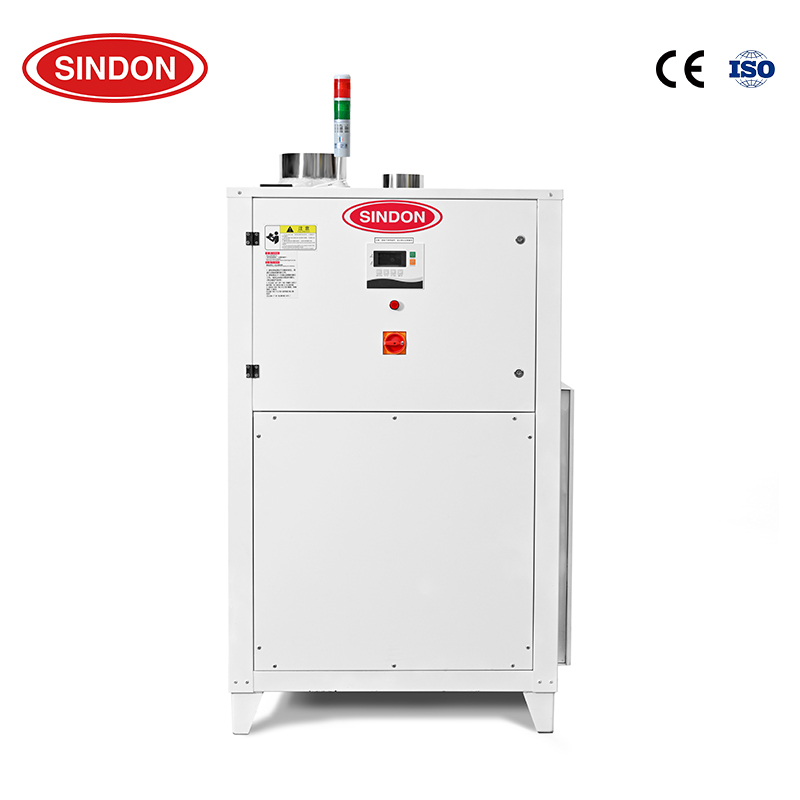
  • Application Scenarios of PET-Specific Mold Dehumidifier​ The dehumidifier supplies -10℃ dew point dry air to mold surfaces, blocking moisture from cold PET molds and eliminating condensation defects—critical for PET production.​ 1. PET Bottle Preform Injection​ For beverage/food PET preforms (especially hot runner molds).​ Molds cool rapidly via ice water (surface temp  shorten cycles, causing condensation. Its -10℃ dew point air keeps cavities dry, avoiding bubbles/cold spots and maintaining preform transparency.​ 2. High-Humidity PET Workshops​ Used in rainy seasons, coastal areas (humidity >60%), or open spaces.​ Even with dried raw materials, workshop moisture condenses on molds. Its -10℃ dew point air creates a dry barrier, preventing preform appearance issues 24/7.​ 3. High-Requirement PET Products​ For food-grade PET packaging, transparent containers, and precision parts.​ Condensation ruins appearance and causes mold rust. Its -10℃ dew point air stops condensation and protects molds.​ 4. Mass Continuous PET Production​ In large-scale manufacturing, continuous mold cooling leads to persistent condensation (regular air-blowing fails).​ Its stable -10℃ dew point air supports 24/7 production, boosting efficiency by 20% and cutting rejection rates by 15%.
    Read More
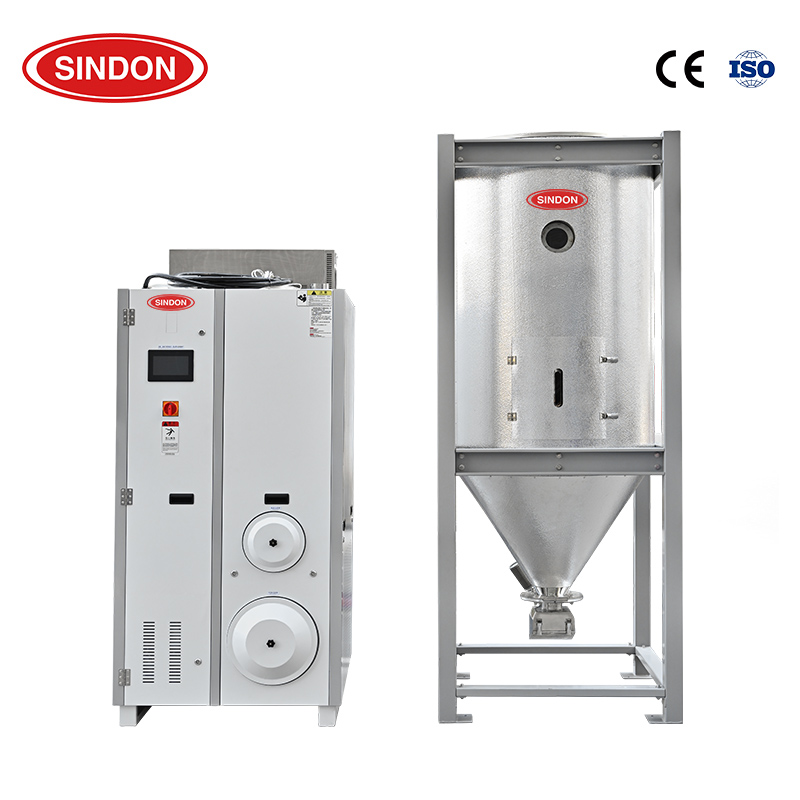
  • Brief Introduction to European-Style Dryer for Injection Molding Industry Tailored specifically for the injection molding sector, this European-style dryer integrates advanced European design concepts with industry-specific drying technology. It is engineered to address the critical requirement of moisture removal for plastic raw materials—ensuring consistent material quality and flawless injection molding results. Typical Applications Ideal for injection molding enterprises producing auto parts, electronic components, household appliances, medical devices, and plastic products. It is a reliable drying solution for scenarios requiring high-quality, high-stability plastic material preparation—helping improve production yield and product consistency.
    Read More
  • An Oil 2-Temperature Mold Temperature Controller (also known as a dual-temperature oil-based mold temperature control unit, dual-zone OTCU) is an advanced thermal management solution engineered to deliver two independent, precise temperature outputs simultaneously or switchably using thermal oil as the heat transfer medium. Building on the advantages of single-temperature oil mold temperature controllers—such as high-temperature adaptability and stable thermal performance—it integrates two isolated closed-loop control systems in one unit. This design addresses the demand for differentiated temperature regulation in complex molds or multi-stage processes, making it a core equipment in high-precision, high-temperature manufacturing scenarios.
    Read More
  • An Oil Mold Temperature Controller (also referred to as an oil-based mold temperature control unit, OTCU) is a specialized thermal management device engineered to precisely regulate mold or die temperatures using thermal oil as the primary heat transfer medium. Distinguished from water-based counterparts, it capitalizes on thermal oil’s inherent advantages—high boiling point, stable thermal properties, and low vapor pressure—to excel in high-temperature industrial processes where water-based systems (constrained by water’s boiling point) fall short. As a cornerstone of precision manufacturing, it is widely adopted in plastic processing, die casting, rubber vulcanization, and composite material curing, directly influencing product quality, process stability, and production efficiency in high-temperature scenarios.
    Read More
  • A Water 2-Temperature Mold Temperature Controller (also known as a dual-temperature water mold temperature controller) is an upgraded and advanced thermal control device based on the standard water mold temperature controller. It integrates two independent water - based temperature control circuits in one unit, which can simultaneously or switchably provide two different and stable temperature outputs. It is widely used in industrial production scenarios that require multi - section temperature control of molds, and is favored for its high precision and strong adaptability. 
    Read More
  • A Water Mold Temperature Controller (also known as a water-based mold temperature regulator or mold temperature control unit, MTCU) is a critical precision heating/cooling device widely used in injection molding, blow molding, extrusion, die casting, and other plastic/rubber processing industries. Its core function is to accurately control the temperature of molds or dies by circulating heated or cooled water, ensuring consistent material melting, filling, curing, and demolding processes—directly impacting product quality, production efficiency, and mold lifespan.
    Read More
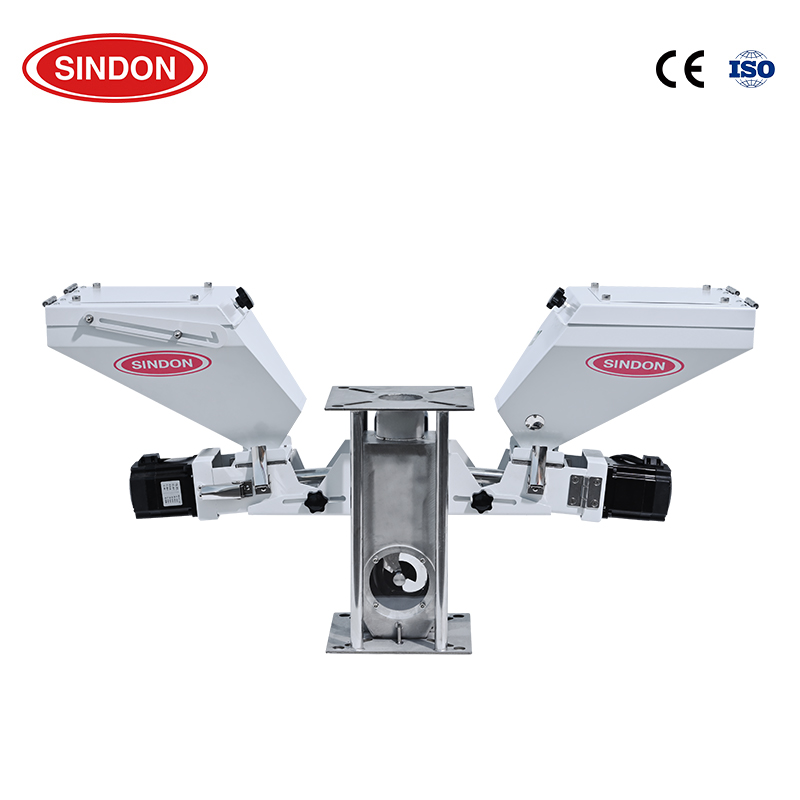
  • The Two-color Volumetric Doser is a high-precision auxiliary equipment designed for plastic injection molding, extrusion, and blow molding processes. It integrates dual independent volumetric feeding systems in a compact structure, enabling accurate, simultaneous metering and feeding of two different materials (e.g., virgin resin & recycled material, base material & additive, or two distinct color masterbatches). Engineered to optimize material distribution, reduce waste, and ensure consistent product quality, this doser is an essential tool for manufacturing two-tone, multi-component plastic products or enhancing material performance through precise additive blending.
    Read More
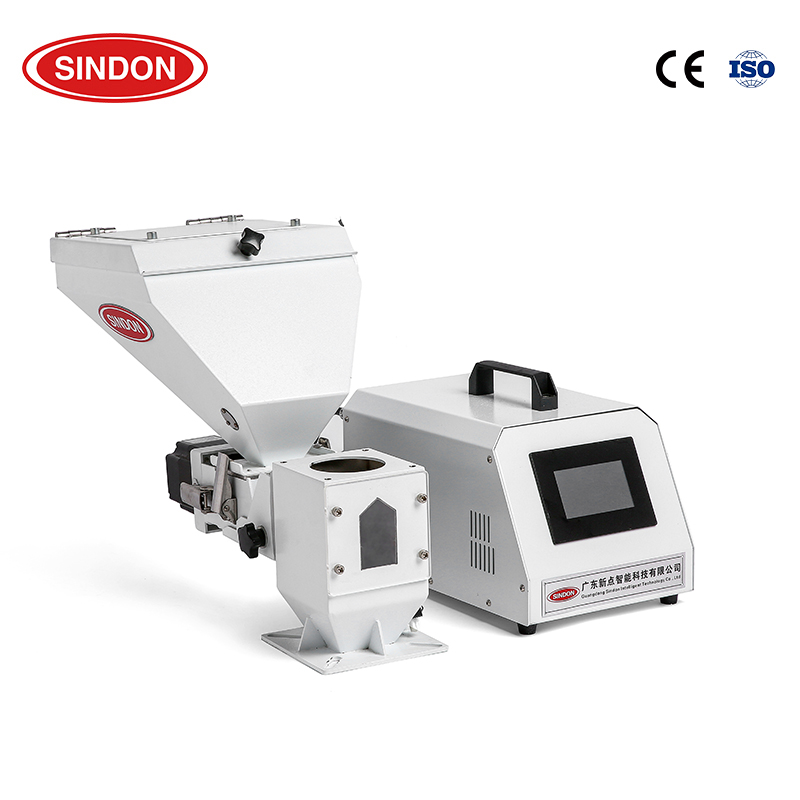
  • A volumetric doser is a precision-engineered feeding device widely used in industrial production, primarily designed to accurately meter, convey, and dispense granular, powdery, or pelletized materials at a consistent volumetric rate. Unlike weight-based dosing systems (e.g., gravimetric dosers), it operates by measuring the volume of materials—leveraging fixed-displacement mechanisms to ensure repeatable feeding, making it a cost-effective and efficient solution for continuous or batch manufacturing processes.
    Read More
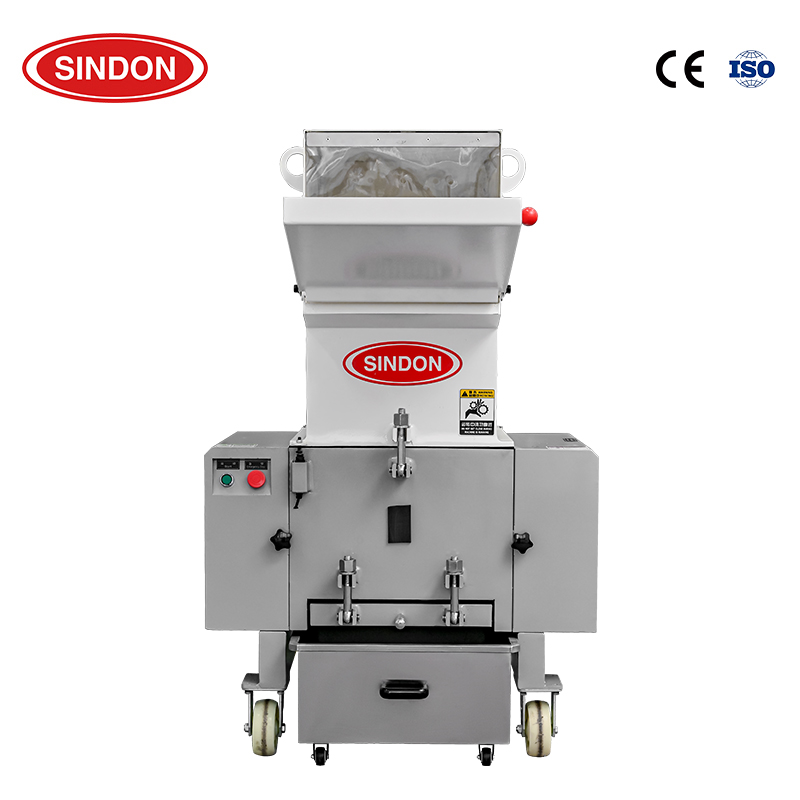
  • Introduction to Powerful Crusher A Powerful Crusher (also referred to as a High-Power Crusher or Heavy-Duty Crusher) is a high-performance industrial crushing equipment engineered for processing tough, high-volume, or rigid materials that conventional crushers struggle to handle. Its core advantage lies in exceptional crushing force, high throughput, and robust structural design—capable of breaking down large, hard, or bulky materials into uniform particles efficiently, even in harsh industrial environments. Unlike low-speed or medium-speed granulators that prioritize gentle processing, Powerful Crushers emphasize "high power, high efficiency, and heavy-load adaptability," making them indispensable for large-scale waste recycling, mining, and heavy-industry material processing.
    Read More
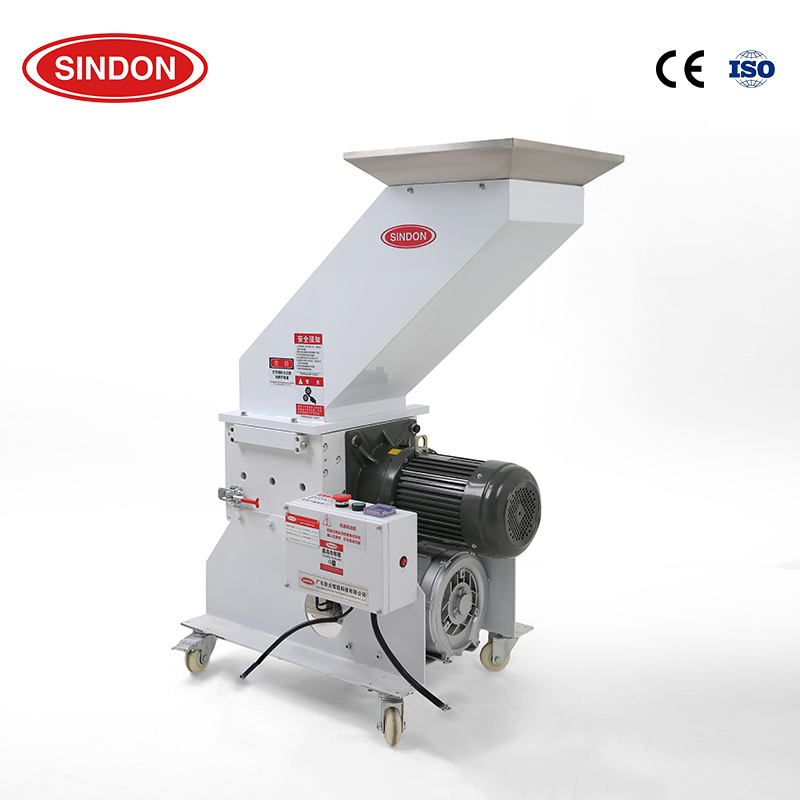
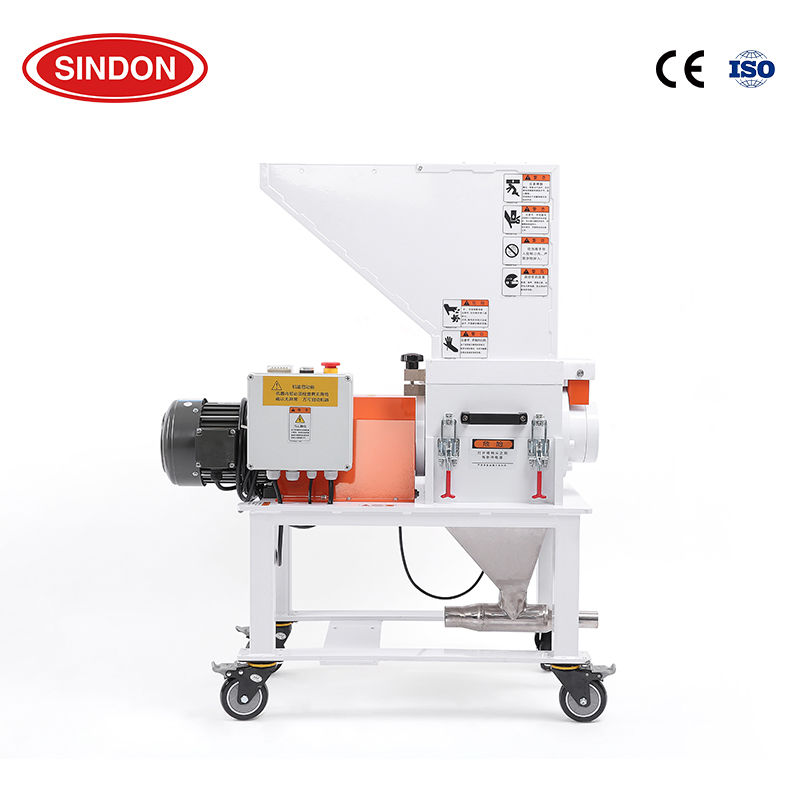
  • Introduction to Medium-Speed Granulator The Medium-Speed Granulator is an industrial particle processing equipment that bridges the gap between Low-Speed Granulators and High-Speed Granulators, with a core rotational speed typically ranging from 300 to 800 RPM. Its defining advantage lies in balancing efficient crushing with gentle material handling—retaining the low heat generation and minimal material loss characteristics of low-speed models while delivering processing efficiency comparable to high-speed alternatives. This makes it a versatile and practical auxiliary device in industrial production, ideally suited for scenarios requiring both throughput and material integrity protection.
    Read More
  • Introduction to Low-Speed Granulator A Low-Speed Granulator is a specialized material processing equipment designed for the gentle, efficient size reduction of plastic scraps, rejects, or pre-cut materials. Unlike high-speed granulators that rely on rapid blade rotation for aggressive crushing, this machine operates at a lower rotational speed (typically 100-300 RPM) — making it ideal for applications where material integrity, low noise, and minimal dust generation are critical. It is widely used in plastic manufacturing (injection molding, extrusion, blow molding), packaging, and recycling industries, particularly for processing delicate or heat-sensitive materials.​
    Read More
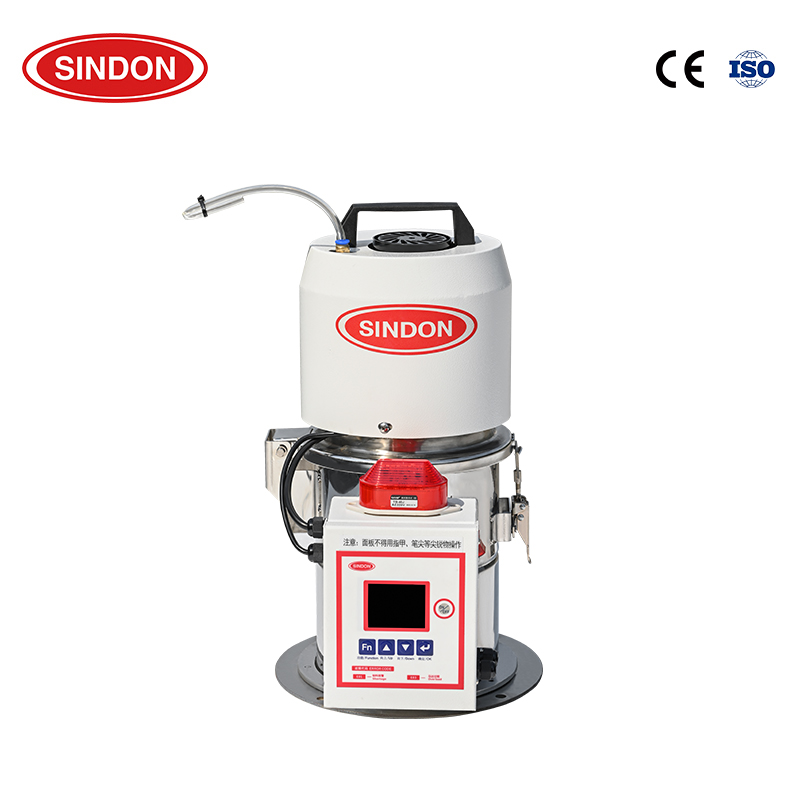
  • The EURO Single-Phase Autoloader (European-Style Single-Phase Automatic Loader) is a specialized, energy-efficient material handling device that combines European industrial design standards with single-phase electrical supply technology. Tailored for small-to-medium production scenarios, it excels at the automated, dust-free transfer of granular, powdered, or pelletized raw materials—serving as a cost-effective, space-saving auxiliary tool for industries like plastic processing, small-batch injection molding, food packaging, and laboratory-scale manufacturing.
    Read More
1 2

Leave A Message

Leave A Message
If you are interested in our products and want to know more details,please leave a message here,we will reply you as soon as we can.
submit

Our hours

Mon 11/21 - Wed 11/23: 9 AM - 8 PM
Thu 11/24: closed - Happy Thanksgiving!
Fri 11/25: 8 AM - 10 PM
Sat 11/26 - Sun 11/27: 10 AM - 9 PM
(all hours are Eastern Time)

Contact Us :jane@sindonit.com

Home

products

contact

Need Help? Chat with us

Start a Conversation

Hi! Click one of our members below to chat on